Win the citation, not just the click.
Decision-grade guides on generative engine optimization, AI search visibility, and local SEO automation — every claim sourced, no fluff. Written by the team that builds DigiRank's AI visibility tracker.

The Monthly AI Visibility Report: What to Include and What to Leave Out
Most AI visibility reports are either a screenshot of a chat window or forty rows of prompts. Neither helps a client decide anything. Here is the one-page version that does.

Author and Expertise Signals: Who Wrote This, and Why AI Search Cares
A byline will not get a weak page cited. But a strong page with no visible author, no evidence of experience and no way to check who is behind it gives an assistant one more reason to prefer someone else's.

Branded vs Unbranded Prompts: Two Different Jobs in AI Visibility Tracking
Ask an assistant about your business by name and it will nearly always answer. That tells you nothing about whether it would have suggested you unprompted. Track both, but never add them together.

Comparison and Alternatives Pages That AI Assistants Will Actually Cite
People ask assistants to compare options more than they ask almost anything else. If the only comparison of you and your competitor is written by the competitor, that is the one that gets quoted.

Geo-Grid Rank Tracking: How to Read a Local Heatmap and What to Do Next
Your map ranking is not one number. It is a different number on every street. A geo-grid shows the whole picture, and most of the value is in recognising which of five patterns you are looking at.

Multi-Location SEO Reporting: A Location Scorecard That Regional Managers Will Use
Forty locations times thirty metrics is twelve hundred numbers, and nobody reads them. A scorecard with eight measures and a simple flag per branch gets acted on.

How to Get Cited by ChatGPT in Your Industry: Publish Numbers Nobody Else Has
Every competitor can rewrite the same advice. Only you can publish what your last two hundred jobs actually cost. That is the page an assistant has a reason to cite.

Prompt-Check Budgets: How Many AI Visibility Checks You Actually Need
A tracker's allowance looks generous until you multiply it out. Twenty prompts across six engines, three runs each, is 360 checks for one round. Here is how to plan a budget that holds.

Why AI Answers Change Between Runs, and How to Track Them Anyway
You were named on Monday and missing on Tuesday. Nothing changed on your site. Here is what actually happened and how to measure through it.

How to Test an AI Visibility Tracker in a 14-Day Trial
Reviews tell you whether other people liked a tracker. A fourteen-day trial run to a plan tells you whether its numbers are true for your brand.

Bilingual GEO: Getting Cited in Spanish and English AI Answers
Ask an assistant the same question in English and in Spanish and you often get two different lists of businesses. Most bilingual companies only show up in one.

Franchise SEO: What Corporate Controls and What Franchisees Own
Most franchise SEO problems are not SEO problems. They are unanswered questions about who is allowed to change what.

GEO for Regulated Industries: Legal, Medical and Financial
The standard GEO advice — publish outcomes, quote reviews, name your results — is exactly what regulated professions are told not to do. There is a version that works inside the rules.

Local Listings Management: Aggregators, Direct Sync or Manual?
Every listings tool promises to fix your name, address and phone everywhere. They do it in three quite different ways, and the difference shows up the day you cancel.

Location Pages vs Doorway Pages: Where the Line Is
Swapping the town name in a template does not create a location page. It creates a liability that tends to arrive all at once.

Seasonal Businesses and AI Search: What to Do in the Off-Season
By the time customers start asking, the answers have already been decided. For a seasonal business, the off-season is when AI visibility is won.

Rebranding Without Losing Your AI Citations
Redirects move your pages. They do not move the fact that half the internet, and most of the training data, still calls you something else.

AI Visibility Tools: The Five Categories, and Which One You Actually Need
Most 'AI visibility tool' comparisons put products side by side that are not actually competing. Sort the market into categories first and the choice gets much easier.

How to Brief a Writer for Content AI Will Actually Quote
The gap between content that gets cited and content that does not is usually decided in the brief, before anyone writes a sentence.

Can You Pay to Be Cited in AI Answers?
You cannot buy the citation. You can buy advertising beside it, and you can pay the sources it quotes — which is where most of the money in this market is actually moving.

Is That Local SEO Automation Software Trustworthy? A Buyer's Due-Diligence Checklist
You are about to hand a piece of software permission to publish under your business name. Here is what to check before you do.

GEO for B2B: Getting Cited When the Buying Cycle Runs Nine Months
In B2B the assistant is not answering a customer. It is briefing someone who will influence a decision you will not hear about for six months.

Your Help Centre Is Your Most Quotable Content — and It Is Probably Invisible
Marketing spends months trying to write quotable content. Support wrote it years ago and nobody optimised a word of it.

Minimum Viable GEO: What to Do With Two Hours a Month
Most GEO advice assumes a content team. Here is the version for someone who has two hours a month and no intention of finding more.

GEO for a Brand-New Site With No Authority
A new domain is not disqualified from AI citation the way it is from competitive rankings. The constraint is corroboration, and corroboration is buildable.

Internal Linking for AI Retrieval, Not Just for Crawlers
Classic internal linking advice optimises for crawl depth and link equity. Retrieval cares about something else: whether a passage makes sense on its own.

Tracking AI Visibility Across Every Location, Not Just the Brand
One national number tells a 40-location brand almost nothing. The locations that are invisible are exactly the ones the average is hiding.

Packaging GEO as a Service Line Without Destroying Your Margin
GEO looks like a natural retainer until the third month, when a client asks why the number moved and the answer takes two days to produce.

AI Visibility for Service-Area Businesses With No Storefront
Plumbers, mobile locksmiths, cleaners and installers share one disadvantage in AI answers: the thing the engine wants to resolve, an address, is the thing you deliberately hide.

Switching SEO Tools Without Losing Your History
The subscription is easy to cancel. The two years of trend data behind it usually leaves with it, and nobody checks until the first report after the switch.

Which AI Engines Actually Matter for Your Business
Most businesses do not need to win on every assistant. They need to win on the one or two where their buyers actually make decisions.

When AI Answers the Question Instead of Sending You Traffic
The uncomfortable version of winning at AI search: the assistant uses your page, names you, and the visitor never arrives.

When AI Gets Your Business Wrong: Correcting Stale and False Facts in AI Answers
There is no support ticket for 'ChatGPT says we still do that'. You cannot edit the answer — you can only change what it reads.

Citation Decay: Why a Page That Was Cited Stops Being Cited
Earning a citation is a project. Keeping it is an operating cost, and the pages that lose them rarely got worse — the comparison did.

AI Search Emergency Triage: What to Check First When Your Content Stops Performing
When traffic falls off a cliff the instinct is to rewrite everything. That is almost never the problem. Here is the order to check things in, cheapest and fastest first.

Your Client Just Asked About AI Search: A Consultant's First-Meeting Script
You do not need a finished methodology to have this conversation well. You need an honest diagnosis, a small first phase, and a number you are willing to be judged on.

Protecting AI Visibility Through a Site Migration or Redesign
Redirects protect rankings. They do not protect the sentence an assistant was quoting — and that sentence is what earns the citation.

Publishing Your Prices: Why Cost Transparency Wins AI Citations
'Contact us for pricing' is not an answer, so it never gets cited. Something else gets quoted about your prices instead — usually a competitor, or an old article.

Rank Tracker vs AI Visibility Tracker: Why Your Keyword Tool Cannot See This
A rank tracker answers 'where do we sit for this keyword'. An AI visibility tracker answers 'were we named at all'. Those are not versions of the same question.

Who Owns AI Search? The Team, the Workflow and the Handoffs
Nobody's job description says 'make sure the assistants can read us'. That is why the crawler has been blocked since March.

AI Visibility Benchmarks: Setting a Baseline and Knowing What "Good" Looks Like
Every AI visibility tool gives you a score. Almost none tell you what a good one is. The fix is to benchmark against the competitors actually named in your category's answers.

DigiRank Expert Pricing Explained: What Each Plan Actually Includes
Four plans, one platform. Here is what changes between Starter, Agency, Pro and Scale — tenant counts, prompt-check volume, automation depth — and the honest answer to which tier you actually need.

The GEO Business Case: How to Prove AI Search Is Worth the Money
AI answers send fewer clicks per impression than blue links, which makes the naive ROI calculation look terrible. Here is how to build the case honestly, with the assumptions written down.

Google Business Profile Automation: Posts, Reviews and Q&A Without Sounding Automated
GBP is the highest-frequency chore in local marketing and the one most likely to be abandoned by week three. Automating it works — as long as you automate the right half.

How Long Does GEO Take? A Realistic Timeline for Your First AI Citation
There is no emergency button for AI search — but the parts that move fastest are also the cheapest. A stage-by-stage timeline from unblocking crawlers to holding a share of answers.

IndexNow and Bing: The Indexing Layer Behind Copilot and ChatGPT Citations
You cannot be quoted from an index you are not in. IndexNow is a free push notification to that index — and one of the few parts of AI search you can act on the same day.

Off-Site GEO: Why AI Engines Cite Reddit and Reviews Before They Cite You
When someone asks an assistant for a recommendation, the sources it reaches for are rarely the vendors' own websites. Off-site presence is the half of GEO you cannot fix by publishing.

WordPress SEO Automation: A Publishing Workflow That Does Not Ship Junk
Auto-publishing to WordPress is trivial to build and easy to regret. The difference is what sits between the generated draft and the live post.

AI Crawler Access: The robots.txt and WAF Audit That Comes Before Any Content
Before you write a single word for AI search, confirm the engines can actually fetch your pages. A surprising share of sites fail this check — usually at the firewall, not in robots.txt.

Why AI Citations Barely Show Up in Google Analytics — and What to Measure Instead
If you're waiting for chatgpt.com to show up as a traffic source proportional to your AI visibility, you'll wait forever. The value is real; the click just doesn't carry a label.

Entity Consistency: The Unglamorous Work That Decides Whether AI Engines Trust You
Two addresses, three phone numbers and an old business name scattered across directories don't just confuse customers — they make an AI engine uncertain you're one company, and uncertainty loses to a competitor with clean records.

AI Overviews and AI Mode: What Changed in Google Results and What to Actually Do
The pattern people report is stable rankings, steady impressions and falling clicks. That's not a penalty — it's an answer being satisfied before the click, and the response is different from a ranking fix.

How to Build a Prompt Set Worth Tracking
Track the wrong forty prompts and you get a confident chart of something nobody asks. The prompt set is the measurement instrument — design it before you buy anything that samples it.

Why Client-Side Rendered Content Is Invisible to AI Engines
Google renders JavaScript. Most AI retrieval agents do not. That single difference makes a large class of modern sites unquotable without anything looking broken.

Retrofitting Pages You Already Have Beats Writing New Ones
A page already being retrieved is most of the battle won. Adding the specifics that make it quotable is an afternoon's work; earning retrieval from scratch on a new URL takes months.

The SEO Tool Stack Problem: What Seven Subscriptions Actually Cost You
The subscription line is the small number. The expensive part is that no two tools agree on which pages matter, and a person spends Friday afternoons stitching the exports together.

Your Client Asked About AI Search: A 30-Day Agency Playbook
The question is coming from every client this year, and the wrong response is a proposal. The right response is a two-week baseline you can run before you quote anything.

Buying an AI Visibility Tracker: 9 Questions and 4 Red Flags
Every tracker shows you a percentage. Almost none will tell you how many times they sampled each prompt — which is the only question that determines whether the percentage means anything.

Your Competitor Is in the AI Answer and You're Not: A Diagnostic
Being absent from an AI answer is a symptom, not a diagnosis. There are five causes, they need completely different fixes, and you can identify yours in about an hour without buying anything.

Is GEO Worth It Compared to Traditional SEO? How to Split the Budget
GEO is not a replacement for SEO and it is not a separate department. It is a measurement layer plus a content standard bolted onto work you are probably already paying for — which is exactly why the budget question keeps getting answered badly.

How ChatGPT, Perplexity, Gemini and Copilot Pick Their Sources
Being cited by Perplexity and invisible in Gemini is not a mystery. Different engines use different crawlers, different indexes and different citation styles — and you control access to each one separately.

How to Choose a Generative Engine Optimization Specialist
GEO is new enough that nobody has a decade of case studies, which means credentials are useless and methodology is everything. Here are the questions that separate an operator from a repackager.

Schema, llms.txt and the Technical Layer of Getting Cited
Structured data doesn't make a model quote you. It makes your business a resolvable entity — which is the thing that turns a hedged answer into a named recommendation. That distinction decides how you implement it.

White-Label SEO Reporting: What Clients Actually Read
The 40-page automated PDF is not a report. It's an alibi. Here's the reporting structure that survives a sceptical client, and the parts of it worth automating.

AI Content Optimization: How to Score a Draft Before You Publish It
AI content optimization isn't a prompt trick. It's a gate: count the sourced claims, check for the tells, verify it isn't a near-duplicate of something you already published — then publish or don't.

DigiRank vs BrightLocal vs Hiring an Agency: An Honest Comparison
BrightLocal is excellent at the job it was built for. An agency buys you judgment you can't automate. Here's the honest map of where each option wins, and where DigiRank fits.

How to Get Cited by AI in Your Industry: GEO for Local Services, SaaS, and E-commerce
The same nine GEO tactics produce very different work depending on what you sell. Three industry playbooks with the specific pages, schema, and prompts that earn citations in each.

How an AI Search Visibility Tracker Works — And Whether You Actually Need One
Asking ChatGPT about your brand once tells you nothing — the answers are non-deterministic. Here's how tracking software turns that noise into a readable trend, and how to judge whether the output is real signal.

How Much Does Generative Engine Optimization Cost? A 2026 Pricing Breakdown
Nobody sells 'a citation.' What you're actually buying is tracking, sourced content, and technical fixes. Here's what each layer costs, what DIY really runs, and how to decide between software and a retainer.

Local SEO Automation Software: What It Actually Automates (and What It Never Will)
Citation audits, geo-grid scans, GMB posts and review replies are real automation wins. Category selection, service-area strategy and complaint handling are not. Here's the dividing line.

Multi-Location SEO: How to Rank 10+ Locations Without 10× the Work
Multi-location SEO fails on frequency, not difficulty. Every task is easy; doing it correctly for location 37 every month is what breaks. Here's the architecture and the operating cadence.
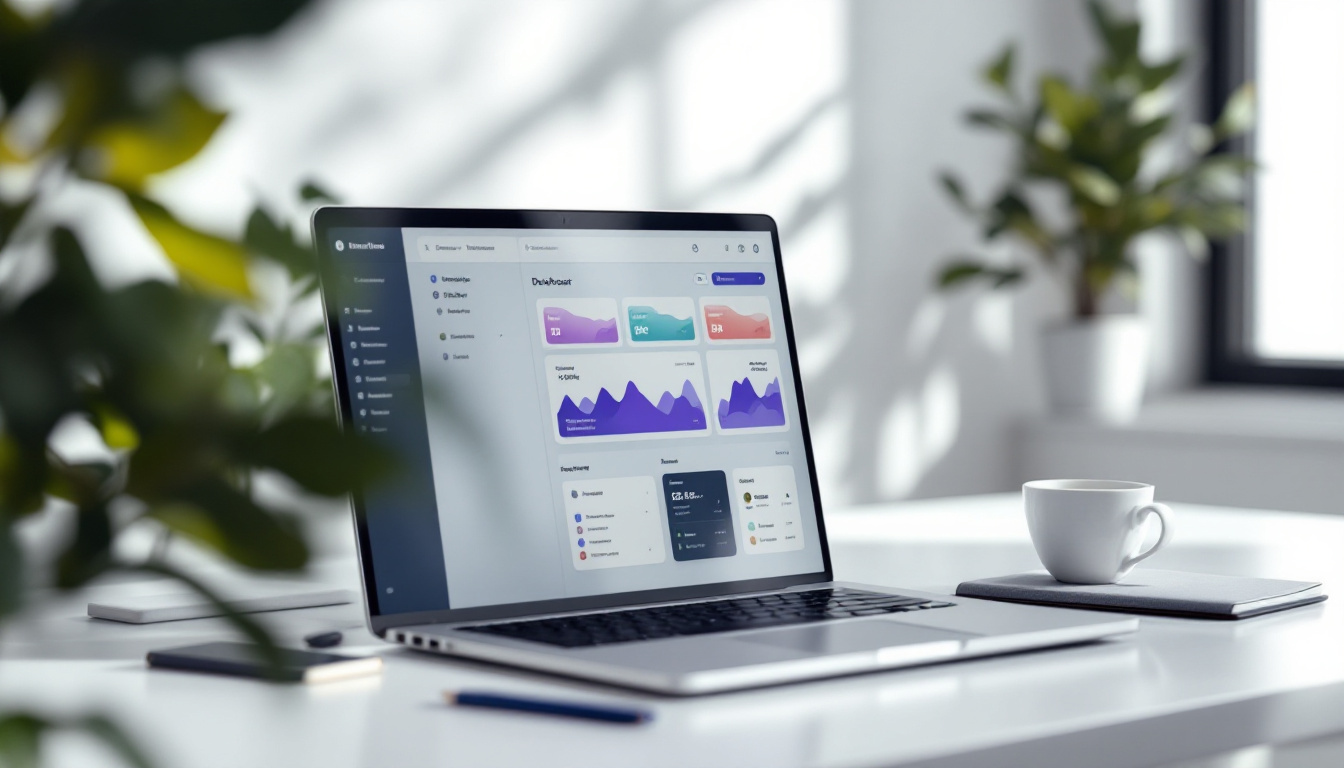
What Is DigiRank Expert? The Platform, the Pricing, and Who It Is For
Sometimes typed 'digi.rank' or 'digirank'. It's an SEO and AI-visibility platform: track whether ChatGPT, Gemini and Claude cite you, produce Princeton-scored content, and keep the local layer clean — in one system.

Generative Engine Optimization: How to Get Your Business Cited by ChatGPT and Perplexity
Search is splitting into two surfaces — the classic blue links and the AI answer. This is the sourced playbook for winning the second one: the nine GEO tactics from the original Princeton study, what they lift, and how to measure citations.
Stop guessing whether AI engines cite you.
DigiRank asks ChatGPT, Gemini and Claude the questions your buyers ask, records whether they name you, and drafts content for the questions where they don't.
Start 14-day free trial